What happened
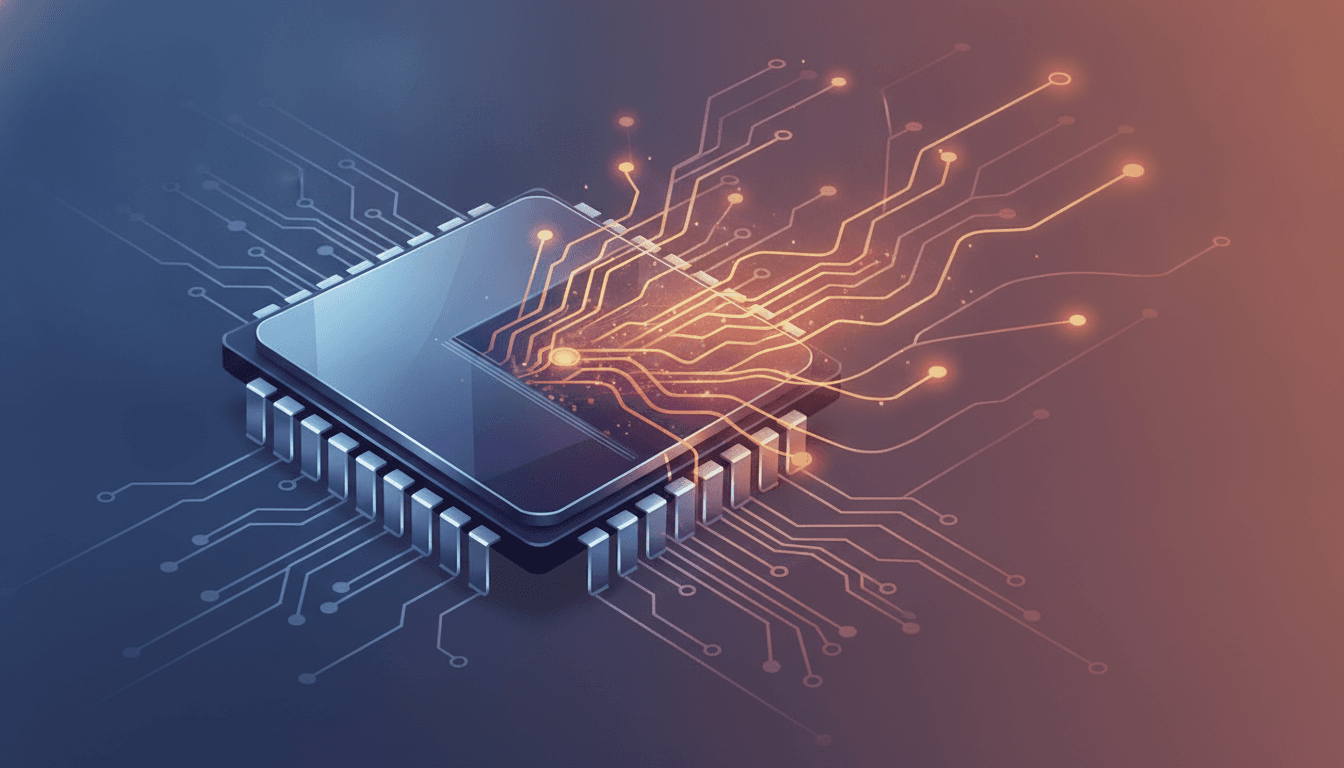
Anthropic, the company behind the Claude family of AI models, is building a team to design its own custom chips. According to TechCrunch, Business Insider was first to report the news, and Anthropic has since confirmed it. The company said it plans to co-design hardware and models so its technology runs faster and more efficiently. A job listing points to a "custom silicon team" seeking engineers with chip design experience.
This is not happening in isolation. TechCrunch notes that last month The Information reported Anthropic was scouting Samsung as a possible partner for building such chips. Anthropic has also inked deals with AWS, Google, Nvidia, and AMD to access AI computing hardware. Designing its own silicon is a step beyond simply buying or renting compute from others.
Why it matters for business users
When a company designs the chip and the model together, it can tune each to the other. TechCrunch reports Anthropic's stated aim is exactly this: co-designing hardware and models to help Claude run faster and more efficiently. For businesses that build on Claude, two things follow from that logic.
First, reliability. Depending on a shared pool of third-party hardware means competing for capacity with every other AI company. TechCrunch frames the move as a response to rising demand for Claude while firms compete for infrastructure deals. Owning more of the stack can reduce that dependence.
Second, pricing. Running models more efficiently on purpose-built silicon can lower the cost per request over time. That is the theory behind vertical integration, though the article does not give figures, so treat any savings as a possibility rather than a promise.
Anthropic is not alone here. TechCrunch points out that in June, OpenAI unveiled its Broadcom-built Jalapeño chip for inference workloads, Google DeepMind has long used Alphabet's TPU chips, and Meta has been developing its own MTIA accelerators. Custom silicon is becoming the norm among the largest AI builders.
A practical example for business planning
Imagine a customer support firm that runs 500,000 Claude API calls a day for ticket summaries and reply drafting. Its two biggest worries are cost per call and whether the service stays available during busy periods. If Anthropic can eventually run Claude on chips designed for its own models, the firm might see steadier response times during demand spikes and more predictable pricing as efficiency improves.
The practical takeaway: if you depend on Claude, ask your provider about capacity guarantees and how model updates might change your costs. Build a simple test — measure your current average tokens per request and cost per 1,000 requests now, so you have a baseline to compare against as the hardware picture changes over the next year or two.
What next
The immediate signal is hiring. Anthropic is staffing a custom silicon team, and the reported Samsung talks suggest it is looking for a manufacturing partner. This is early-stage work, so expect a gap between building the team and shipping chips at scale. Business users should watch for announcements on partners, timelines, and any pricing changes to Claude services.
The wider context is a broader push into hardware across the industry. TechCrunch also reported this week that Tesla and SpaceX will make an initial $16.8 billion investment to build a chip factory called Terafab in Grimes County, Texas, described by SpaceX as a vertically integrated facility. The direction of travel is clear: AI companies increasingly want control over the chips their systems run on.
The takeaway
Anthropic joining the custom chip race is a sign that model quality alone is no longer enough — the hardware underneath matters just as much. For businesses, that could mean more dependable Claude access and better pricing over time, but the details are still forming.
Brain.mt can help you using AI for your business. Contact me for more information. I also offer dedicated workshops and training about this subject.