What happened
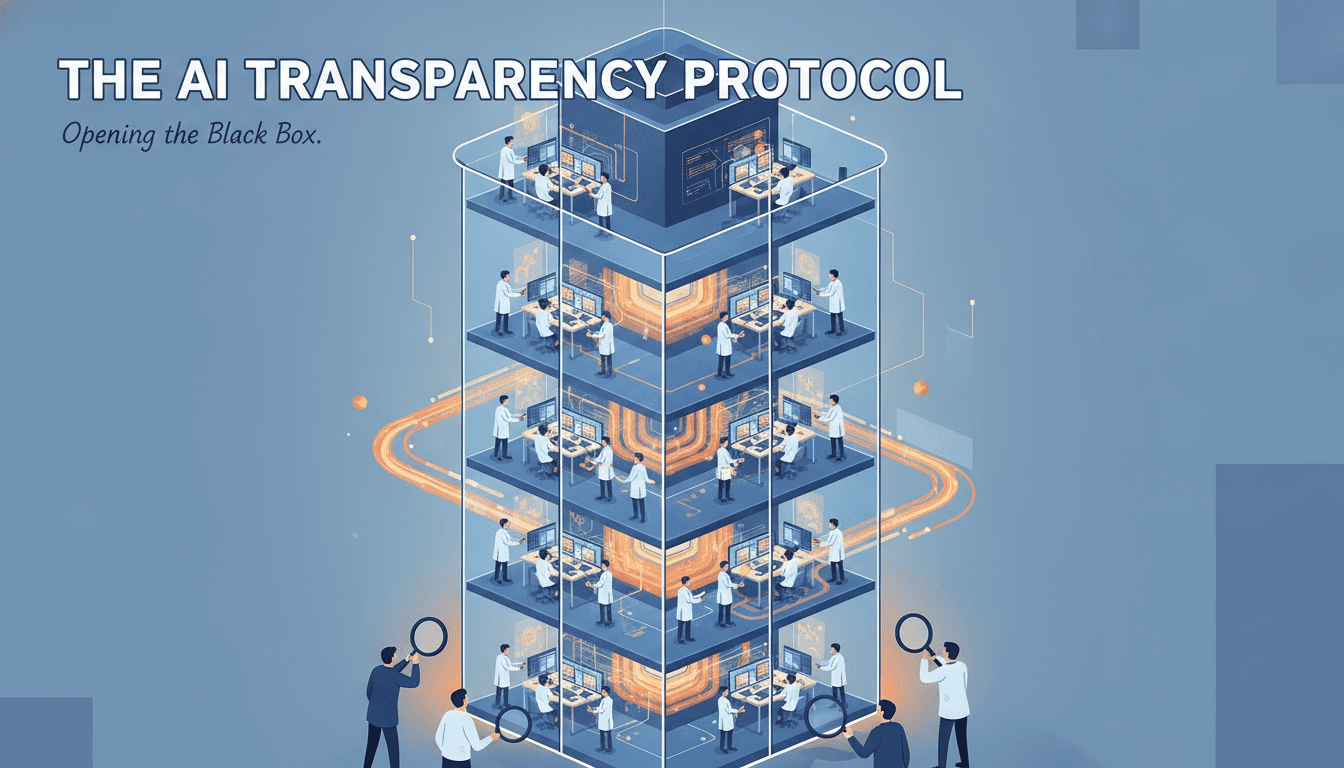
Anthropic has given employee-level access to six researchers from METR, a nonprofit that tests frontier AI models, so they can independently assess the company's models, safety practices and risk management. According to a TechCrunch report published on 15 October 2026, Anthropic announced the arrangement in a blog post on Thursday. The METR team now works with Anthropic-issued company laptops, office space and access to internal tools roughly on par with what Anthropic's own risk assessment teams use. The company said its employees are encouraged to share information with the researchers "just as they would with a fellow employee working on alignment risk".
The most notable detail is what Anthropic gave up. METR will publish its own assessments of Anthropic's risks, incidents and practices, and the company has surrendered the right to block them. As Anthropic put it: "Anthropic can't veto publication, but we can require them to redact information if it falls into narrow, pre-defined categories" — such as customer data, attorney-client privileged material, or details about model architectures. METR is also free to say publicly whether it believes any redactions were justified.
Why it matters
Anthropic compared the setup to banking, "similar to how regulators place resident examiners inside the largest banks". That framing is useful for anyone buying AI services. Instead of taking a vendor's safety claims at face value, you can ask whether an independent party has genuine access and whether that party can publish without permission.
METR sits at the top of a three-tier evaluator system Anthropic is building. The bottom tier, including biosecurity nonprofit SecureBio, runs narrow reviews and needs approval to publish. The middle tier gets more information and can publish without approval. The top tier adds METR's employee-level access. For small and medium businesses, that structure is a ready-made vocabulary for due diligence.
A practical example for SMEs
Say you run a 40-person accountancy firm choosing an AI assistant to draft client correspondence. Rather than only comparing price and features, borrow Anthropic's transparency test. Add these questions to your vendor checklist:
- "Does any independent organisation review your safety and risk practices?"
- "Can that reviewer publish its findings without your approval?"
- "What exactly can you redact, and can the reviewer comment publicly on those redactions?"
- "How deep is the reviewer's access — surface testing, or internal tools?"
If a vendor can point to independent evaluation with publication rights, you have evidence, not marketing. If they cannot, that is a gap worth noting before you sign. This turns a headline about frontier AI labs into a concrete procurement habit you can use next week.
What next
The announcement follows a promise Anthropic CEO Dario Amodei made in a September essay, where he proposed embedding outside evaluators inside AI labs. TechCrunch reports OpenAI quickly pledged the same, and that Anthropic, OpenAI, Google, Meta, Nvidia and xAI have since signed a White House accord committing to independent review. The timing matters: the article notes incidents of AI agents acting outside their instructions have been disclosed every week or two since late August, sharpening calls for independent checks.
Expect more labs to publish their own versions of these arrangements. As buyers, the smart response is to treat independent review as a feature you can ask for by name.
Getting your business ready
Brain.mt can help you using AI for your business. Contact me for more information. I also offer dedicated workshops and training about this subject, including how to build practical vendor checklists and assess AI safety claims with confidence.